
No products in the cart.
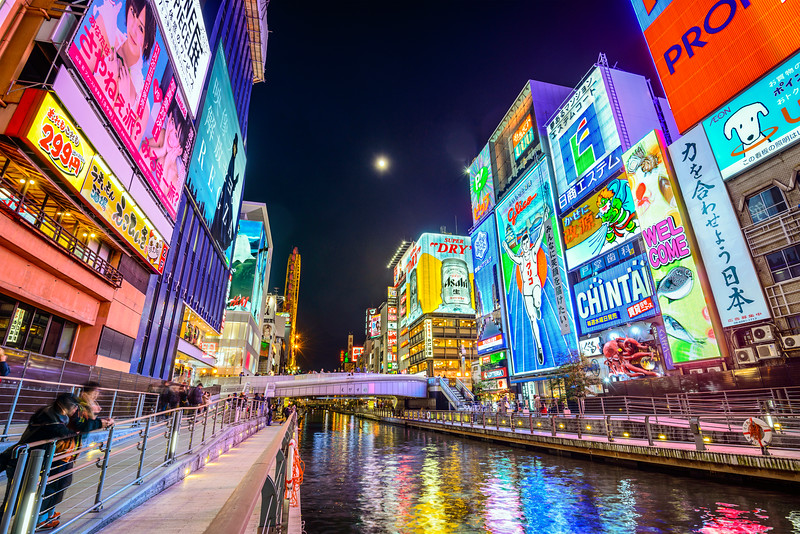
Osaka, Japan
Called “the nation’s kitchen,” Osaka delivers a standout dining scene. Feast on street food and work your way through the city’s many “Bib Gourmand” restaurants—a Michelin award for spots that serve exceptional food at reasonable prices. Use food crawls to fuel your explorations. Go shopping in Minami, check out nightlife in the neon-lit extravaganza of Dotombori, join the theme park fun at Universal Studios Japan, then take a breather at Osaka Castle, with its peaceful gardens and exceptional city views. Osaka is also an ideal home base for exploring the Kansai region—Kyoto’s World Heritage Sites and Nara’s temples are about an hour by train.
Things to see and do in the Osaka, Japan
- Dotombori District
- Universal Studios Japan
- Osaka Castle Park
- Nanba Grand Kagetsu
- Harukas 300 Observation Deck
- Cool Japan Park Osaka
Some things that are worth trying out:
- Osaka Go Karting Tour with Funny Costume
- Tea Ceremony Experience in Osaka Doutonbori
- Osaka Kickstart: Hotspots and Hidden Gems Private or Group Tours
- Hungry Osaka Street Food Tour (15 Dishes) – Feast Like a Local
- Full Day Guided Tour to Kyoto and Nara from Osaka by Van
Place to Eat:
- GYOZAOH! Dotonbori Store
- Shinsekai Kushikatsu Ittoku Dotombori Ebisubashi
- Kanidouraku Dotombori-Honten
- Taishusushi Kinga Shinsekai
- Daiki-Suisan Kaitenzushi Dotombori
- Hakuundai Grand Front Osaka
View The Osaka, Japan Photo Gallery
Typical costs when traveling
A one-week trip to Osaka, Japan, can cost between $700 and $2,100 (excluding flights) depending on your travel style. Budget travelers can expect to spend around $100 per day, while those seeking more comfort and luxury might spend upwards of $300 daily.
Accommodation:
- Budget: Hostels or basic hotels can cost between $20-$50 per night, according to Lub d.
- Mid-Range: Business hotels or vacation rentals offer more comfort and space for $45-$90 per night, according to TravelThru.
- Luxury: Ryokans (traditional inns) or high-end hotels can range from $270 to $900+ per night.
Food:
- Budget: Convenience store food, fast food, or inexpensive lunch boxes can be found for $500-$800 yen per day.
- Mid-Range: Enjoying meals at various restaurants or trying local dishes can cost $800-$1500 yen per day.
- High Budget: Indulge in fine dining or hotel breakfasts, which can cost upwards of 1000 yen or more per day.
Transportation:
- Public Transportation:Efficient and affordable, with train rides costing between $1-$3.
- Private Car: More comfortable but costly, with prices around $150-$200 per day.
Other Expenses:
- Attractions: Entrance fees to shrines, temples, or museums can vary, with some being free and others costing between 500 yen to 2000 yen.
- Entertainment: Theme parks or quick exhibitions can range from 1000 yen to 12000 yen.
Do’s and don’ts
Visiting Osaka is an exciting experience! Here are some helpful do’s and don’ts to make your trip smooth and respectful:
Do’s:
- Do try local food: Osaka is known as “Japan’s Kitchen.” Try takoyaki (octopus balls), okonomiyaki (savory pancakes), kushikatsu (fried skewers), and street food in Dotonbori.
- Do use polite greetings: A simple “arigatou gozaimasu” (thank you) and “sumimasen” (excuse me/sorry) go a long way.
- Do follow public etiquette: Stand on the right side of escalators (left side is for walking), and keep your voice down on public transport.
- Do dispose of trash properly: Trash bins are rare; carry your rubbish until you find one. Sort your trash according to local rules.
- Do visit shrines and temples respectfully: Bow at the entrance, purify your hands and mouth at the temizuya (water basin), and be quiet inside.
- Do carry cash: Many small shops and restaurants may not accept credit cards
- Do be punctual: Being on time is important in Japanese culture.
Don’ts:
- Don’t eat while walking: It’s considered impolite to eat or drink while walking in public spaces.
- Don’t tip: Tipping is not customary and can be considered rude.
- Don’t speak loudly: Keep conversations quiet, especially on public transport.
- Don’t point at people or things: Use your whole hand to gesture instead.
- Don’t take photos where prohibited: Always check for signs, especially in temples, shrines, and some restaurants.
- Don’t enter homes or certain indoor spaces with shoes: Remove your shoes when required (look for a genkan/entryway).
- Don’t touch others unnecessarily: Japanese people value personal space.
Leave a Reply